


FAULT DIAGNOSIS AND REPAIR
Fire system repair and emergency fault follow-up
For a fire equipment fault, send Chung Kwun or Cypress the display message, equipment photos and address. We review safety, access and parts before confirming attendance and repair arrangements.
CHUNG KWUN F. S. ENG. CO. LIMITEDCYPRESS ENGINEERING COMPANY LIMITED
Call or email with the premises address and a brief description of the work you need.
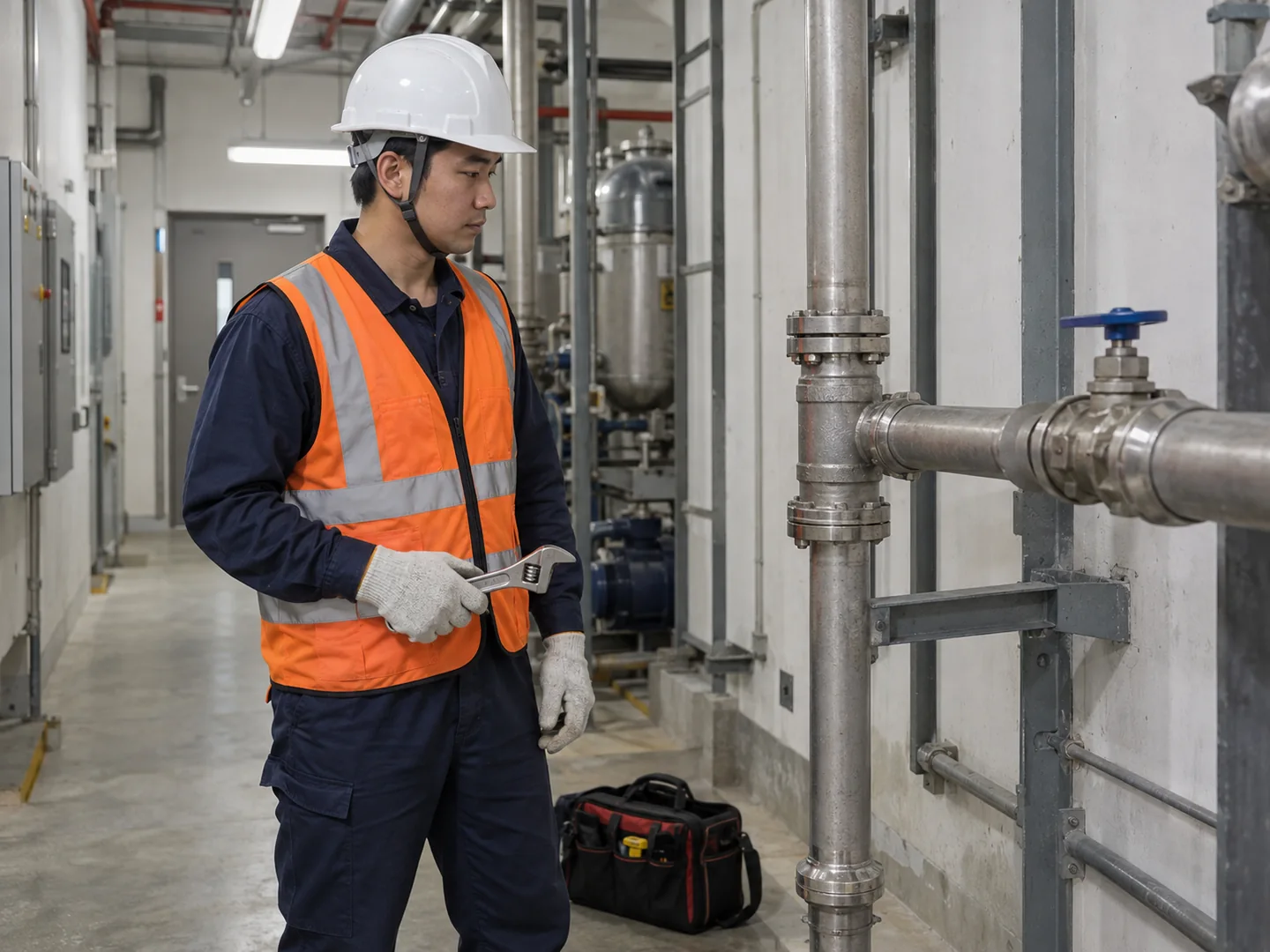
Illustrative engineering scene
When to get in touch
- Persistent alarm panel or detector faults
- Abnormal fire pump, valve or pipework operation
- Leakage from sprinkler or hose reel systems
- Failed emergency lighting or exit signs
How we can help
- Initial fault assessment and safety advice by phone
- On-site diagnosis, isolation and temporary risk controls
- Parts replacement, repair and functional testing
- Fault report and follow-up recommendations
Before work starts
- For fire, heavy smoke or immediate danger, put personal safety first and call 999; never enter a smoky escape route
- Attendance depends on confirmed people, travel, access and safety conditions
- Repair on the first visit depends on the inspection findings and availability of the required parts
What is needed for a fire-system repair quotation?
Tell us about the fault and available access times so we can arrange a visit. Repair on the first visit depends on the inspection findings and parts availability.
- Equipment identification and fault display
- Provide the equipment model, panel indications and site photographs, including when the fault first appeared and whether it recurs.
- Affected scope and existing records
- Identify the affected floors or systems and share recent test and repair records. Tell us if the fault keeps returning so we can investigate the cause.
- Access and testing coordination
- Provide the site contact, management requirements and access windows so diagnosis, any necessary isolation, repair and testing can be coordinated.
- Separate diagnosis and repair approval
- After confirming the fault and parts required, obtain repair approval before works, testing and handover. Parts availability needs to be checked.
Call or email with the premises address and a brief description of the work you need.
How we follow up
- 01Check immediate safety concerns and record the fault display
- 02Confirm attendance window, access and equipment details
- 03Diagnose and obtain repair approval
- 04Test, reset and provide the fault record
Common questions
How soon can you attend?
Attendance depends on staff availability, travel and site access. We will confirm the available time after reviewing your request.
Should I silence the alarm myself?
Leave silencing, resetting and isolation to authorised staff following the emergency procedure. For a fire, leave by a safe route and call 999. If smoke or heat blocks escape, shelter in a safe room, close the door and call 999 with your location.
Discuss the work your premises need
Share the premises, proposed scope and timing. For tender enquiries, include the brief and submission deadline. Available drawings and recent reports help us review the work; you can contact us before everything is ready.
Project and tender enquiriesAbout the companies handling this work
Related fire-safety guides
When a fire alarm sounds, stop work and follow the premises emergency plan. Learn how to assess the escape route, seek help if trapped and what to do once you reach safety.
Fire alarm false alarms: causes and safe fault follow-upSteam, dust, construction and equipment faults may trigger alarms. Follow the fire procedure first, avoid disabling detectors and record details for professional investigation.
Defective fire-installation notices: a follow-up guide for managers and ownersA defect notice on a hose reel, alarm or sprinkler means the equipment needs attention. Find out what is affected, who is repairing it and what to ask for when it returns to service, including the 2026 notice and power-seal requirements.
TMFAD temporary manual alarms: arrangements during fire-alarm downtimeTemporary manual fire alarm devices (TMFAD) provide standby warning during alarm downtime. This guide helps managers understand who assesses, installs and tests them, while repairs to the original system continue.
Related services
Enquiries and quotations
Call or email with the premises address and a brief description of the work you need.
Prefer an online form?